
New Orleans architecture is inseparable from its culture, and nowhere is this more evident than during Mardi Gras. The city’s iconic balconies, particularly in the French Quarter, play a central role in how residents and visitors experience Carnival.
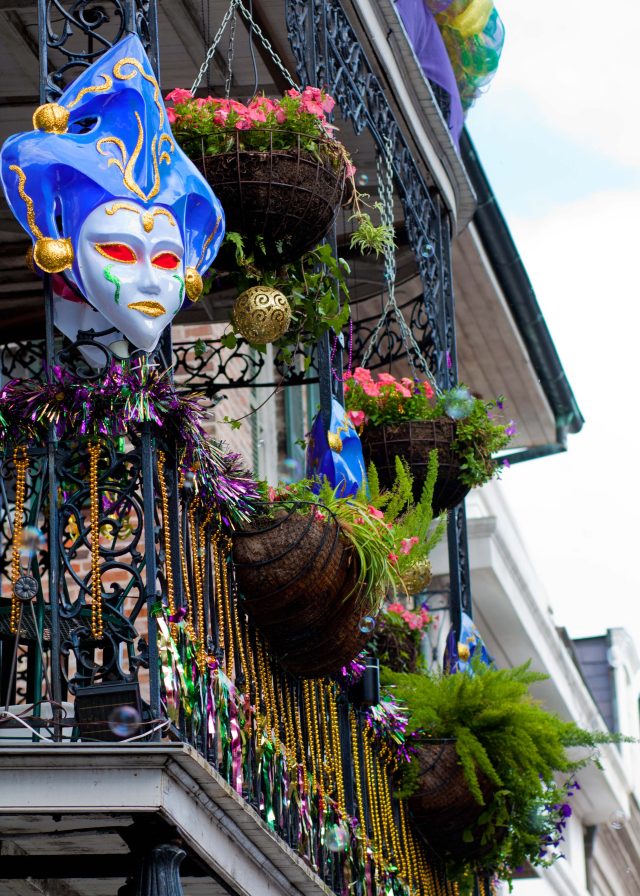
Photo by: Randy Griffin
Historic New Orleans balconies reflect Spanish, French, and Caribbean influences. Early wrought-iron, cast-iron and even wood railings combine structural function with decorative craftsmanship, shaping one of the city’s most recognizable architectural elements.
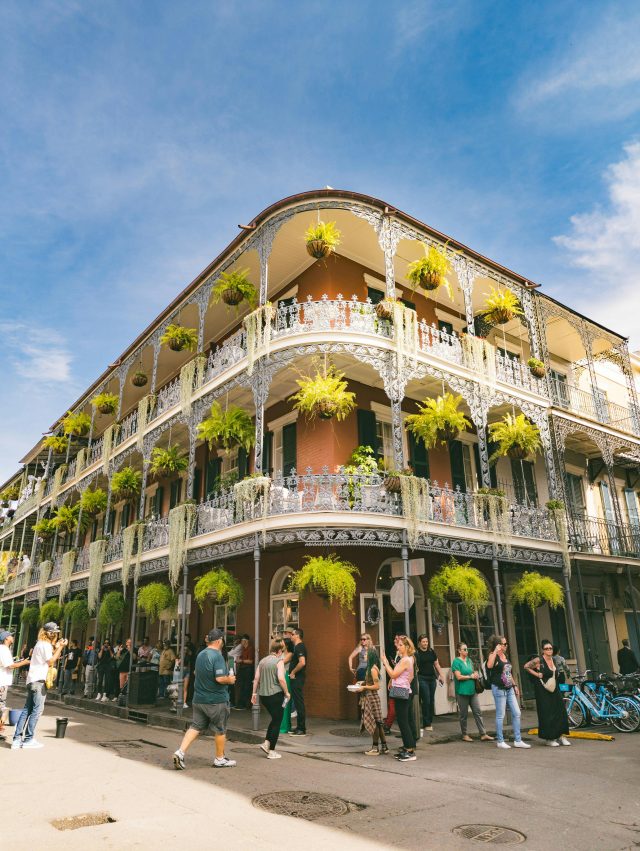
Photo by: Jay Ybarra
During Mardi Gras, balconies become elevated viewing platforms for parades and street festivities. They also act as interactive spaces, where throws are exchanged between balcony and street, turning architecture into an active participant in the celebration. Seasonal decoration further integrates balconies into the visual identity of Carnival.
For architects, New Orleans balconies offer lasting design lessons. They demonstrate how outdoor spaces can support social interaction, respond to local climate, and connect private buildings to public life. Thoughtful balcony design allows architecture to adapt to both everyday use and major cultural events.
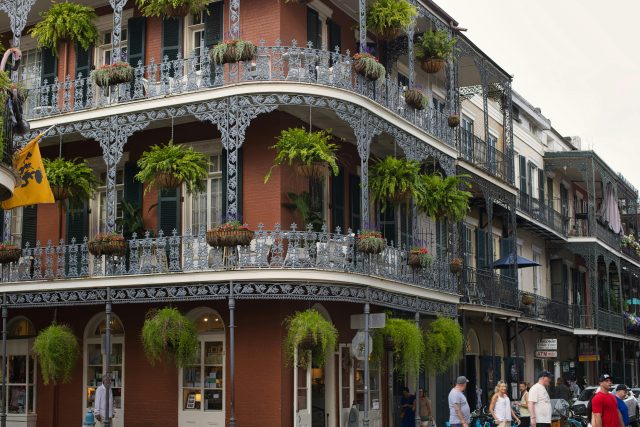
Photo by: Fernando B.
At Brian Gille Architects, we draw inspiration from these traditions, designing buildings that respect historic context while supporting contemporary living. Balcony design remains a powerful example of how architecture can reflect and reinforce the cultural rhythms of New Orleans.
