
Lighting and paint color are two of the most powerful—and often underestimated—tools in architectural design. While materials and form establish structure, it is light and color that bring a space to life, shaping how it is perceived, experienced, and remembered.
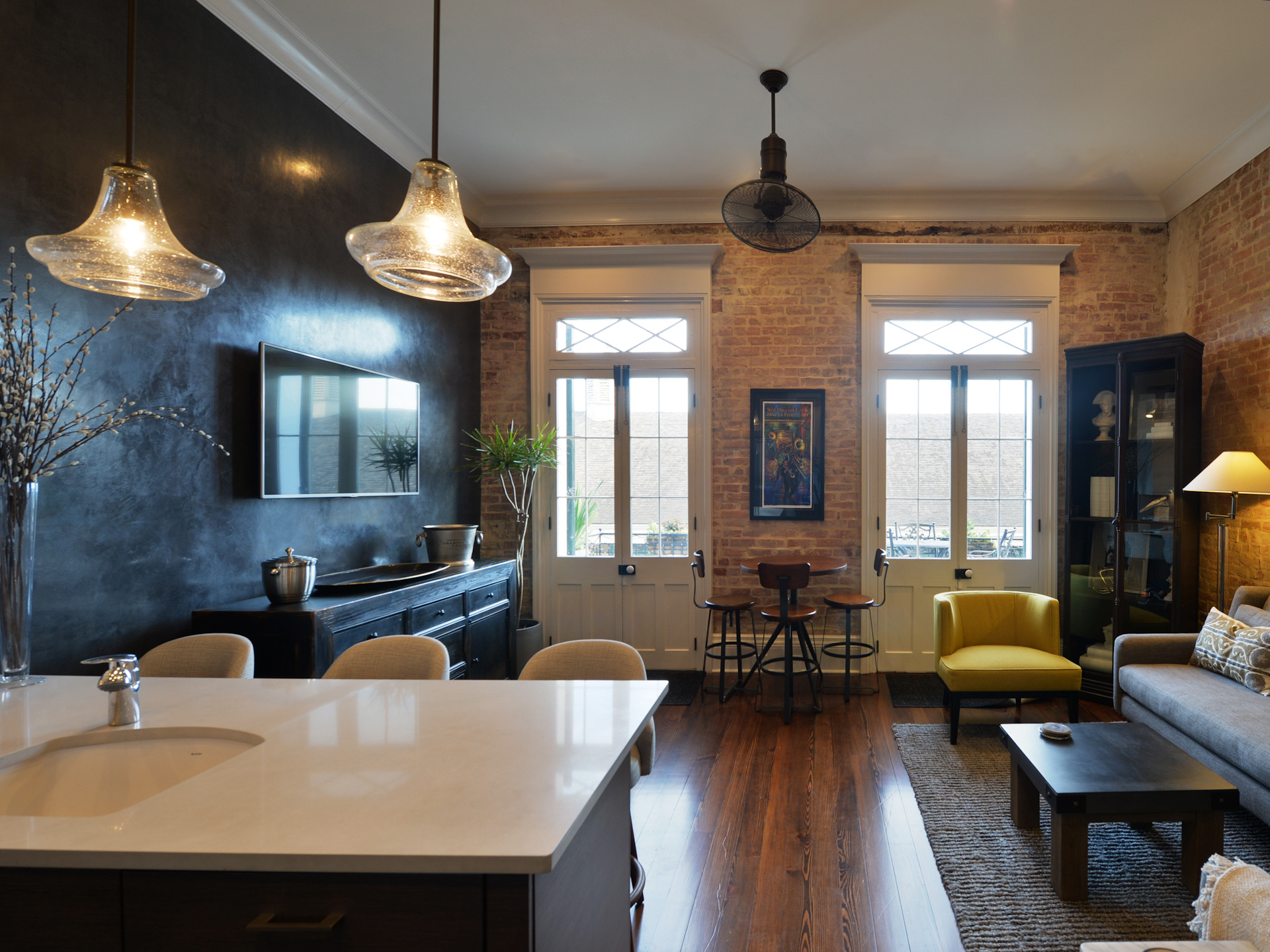
Natural and artificial lighting influence everything from mood to functionality. A well-lit room can feel expansive and inviting, while poor lighting can diminish even the most thoughtfully designed space. Orientation, window placement, and the quality of daylight all affect how interiors evolve throughout the day. Layered artificial lighting—ambient, task, and accent—adds depth, highlights architectural features, and ensures flexibility for different uses.
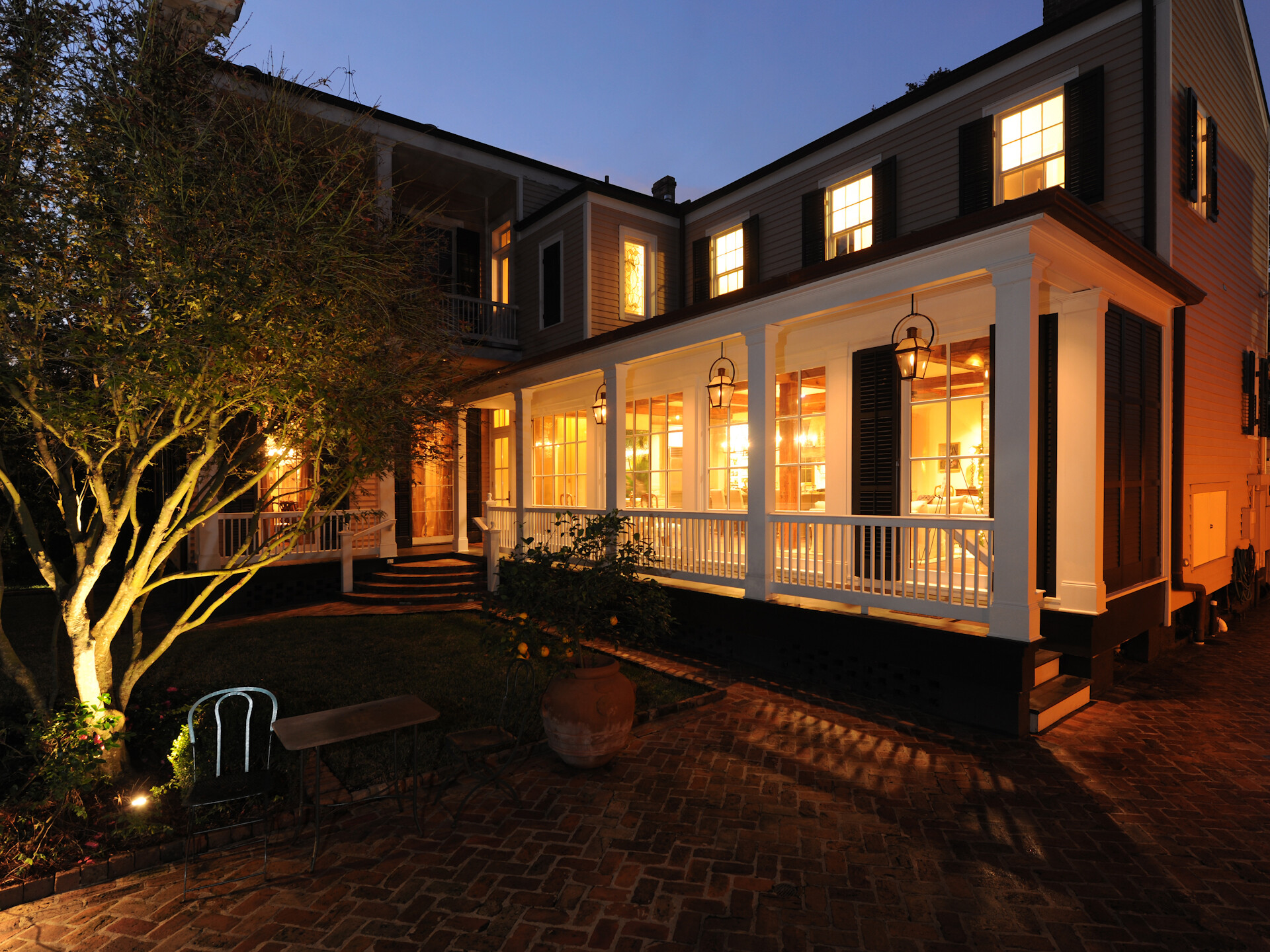
Paint color works in tandem with light, never in isolation. The same shade can appear dramatically different depending on the time of day, the direction of light, and the type of fixtures used. Soft neutrals may feel warm and serene in morning light, yet cooler and more subdued by evening. Darker tones can create intimacy and contrast, while lighter palettes can enhance openness and reflectivity.
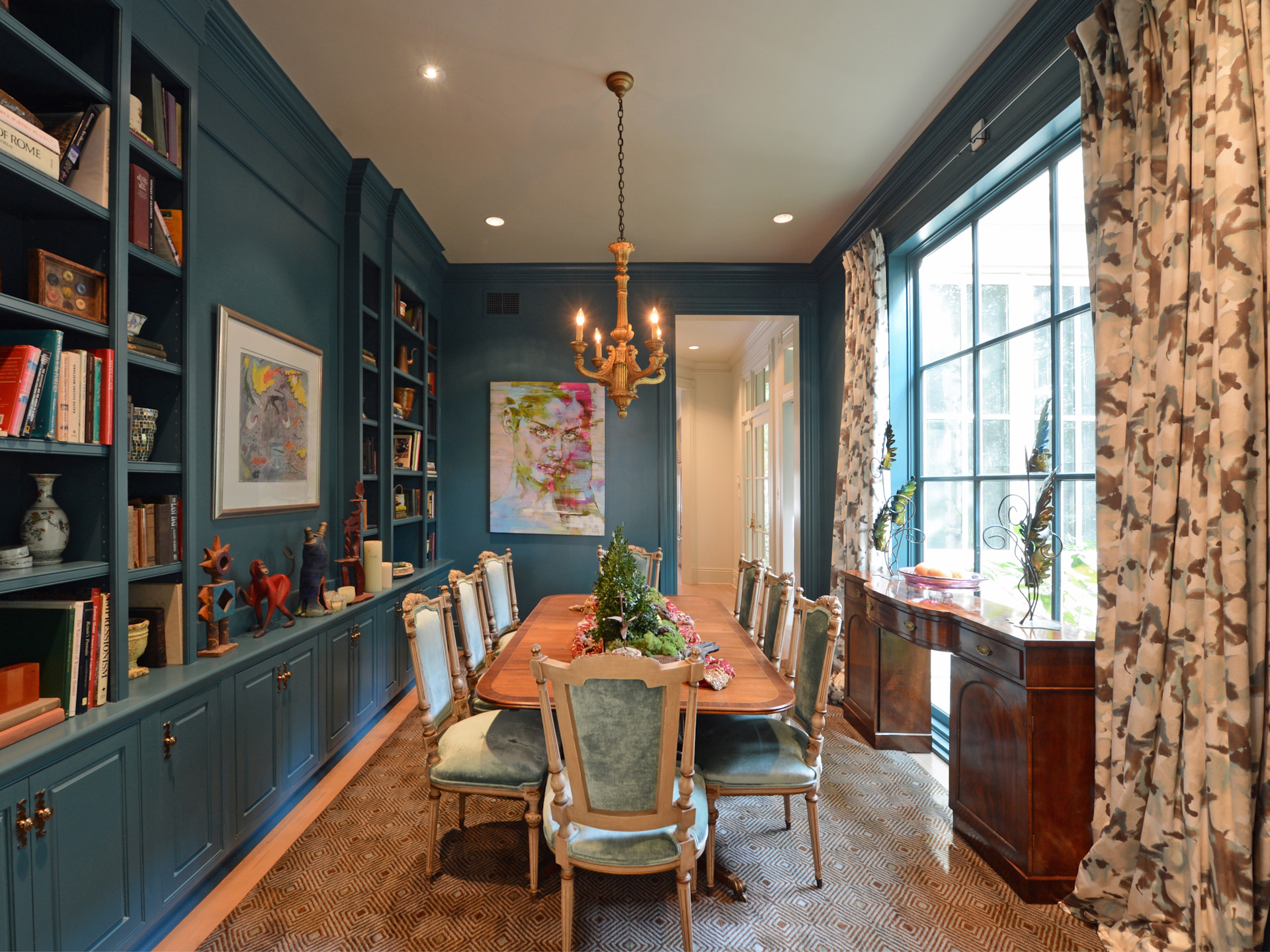
For architects, the key lies in considering lighting and color early in the design process, not as finishing touches but as integral elements. Thoughtful coordination between the two elevates a project beyond aesthetics, creating spaces that are both functional and emotionally resonant.
